One Burner, Five Bases: Taiwan Hot Pot for a US Winter
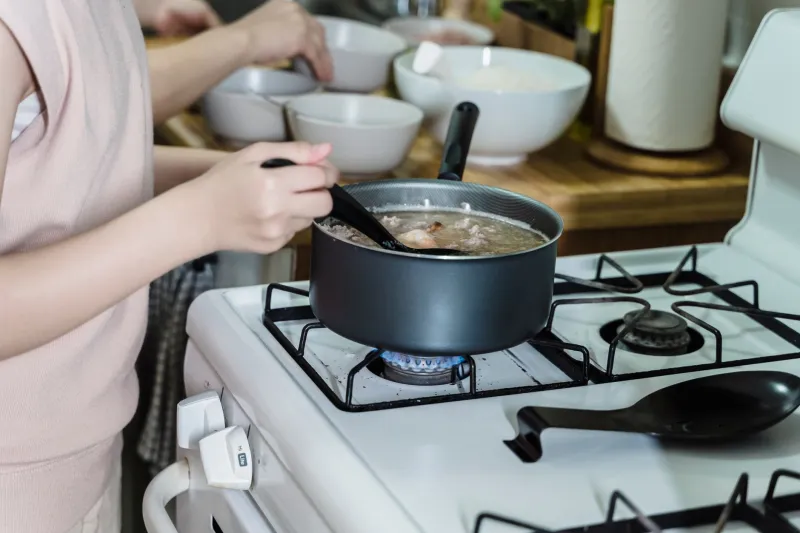
Hot pot season in a US apartment often starts with a plug. You dig out the electric burner, fill a four-quart pot, and suddenly the whole kitchen smells like a better idea than going out. Taiwan makes some of the most useful soup bases for that setup: concentrated, shelf-stable, and built for a table full of add-ins. As of November 2026, I tested five Taiwan-sourced styles on a standard 1500-watt burner to see which ones work in an American kitchen without a specialty shopping trip.
The setup: one burner, four quarts, no drama
I used a 1500-watt electric burner and a four-quart pot, starting with six cups of water for each base. I tasted the broth plain, then with a basic add-in set: cabbage, mushrooms, tofu, and one protein. A pack that claims two to three servings in Taiwan often feeds two Americans if you are also putting out rice and dipping sauce. If you are feeding four, plan on two packs or a lot of vegetables.
1. Spicy beef tallow (麻辣牛油)
This is the richest style and the one most likely to scare off a cautious crowd. The tallow gives it body, and the chili and Sichuan pepper give it a slow, numbing heat. It needs a little restraint: six cups of water for one pack is about right, and a splash of plain stock helps if the base tastes too oily. Add tofu, thinly sliced beef, cabbage, and enoki mushrooms. It feeds three to four people as part of a spread. Shipping is usually fine in cool months, but the oil can solidify and leak if a pouch gets punctured, so check the seal when it arrives.
2. Pickled cabbage (酸菜白肉)
This is the sleeper hit for anyone who thinks hot pot is only about heat. The base is tangy and porky, with a sour edge from pickled cabbage. It needs pork belly, frozen tofu, and glass noodles to taste complete. The cabbage in the packet is a good start, but a handful of fresh napa cabbage makes it feel like a real meal. One pack feeds three to four people if you bulk it out. Store it in a cool, dark cabinet; once opened, refrigerate and use within a few days.
3. Sesame oil chicken (麻油雞)
This is winter in a pouch: ginger, sesame oil, and a savory chicken base. It is not a seafood-friendly broth, and it does not need much help. Add chicken thighs, mushrooms, and a splash of rice wine if you have it. One pack feeds two to three people. The flavor is strong enough that you can stretch it with a little extra water, but not so strong that it overwhelms vegetables. It also survives shipping well because there is no delicate fresh component.
4. Tomato (番茄)
This is the family-friendly option. The base is bright and slightly sweet, and it works with beef, pork, or even fish balls. Add fresh tomato wedges, onion, and cabbage. A little ketchup is a common Taiwan shortcut, but the base already has enough sweetness; taste before you add more. One pack feeds four people if you are serving rice and a couple of sides. The acid makes it a good candidate for pantry storage, but check the date and keep it away from direct heat.
5. Herbal mutton (羊肉爐)
This is the most traditional and the most divisive. The broth is dark, herbal, and warming, with goji berries and a medicinal edge. It needs mutton or lamb, leafy greens, and a little time to simmer. One pack feeds three to four people. If you are new to it, start with a smaller ratio of base to water and add more as you taste. It often comes in a glass jar, which is fine for shipping but needs padding; store it in a cool cabinet and check for cracks before you open it.
What a pack really feeds
Taiwanese serving sizes assume rice, dipping sauce, and a table of other dishes. For a US dinner, count one pack for two light eaters or one hungry person, then bulk with cabbage, mushrooms, tofu, and noodles. The cheapest way to stretch a hot pot is not more meat; it is more vegetables and a bowl of rice at the end.
Shipping and pantry survival
Look for vacuum-sealed pouches and intact jars. Oil-based bases can leak in transit, especially in warm weather, so winter is the friendlier shipping season. Store unopened bases in a cool, dark place. Once opened, refrigerate and use within three days. Do not freeze glass jars. If a pouch has puffed or smells off when you open it, toss it; a $4 base is not worth a bad night.
The dipping sauce that makes it work
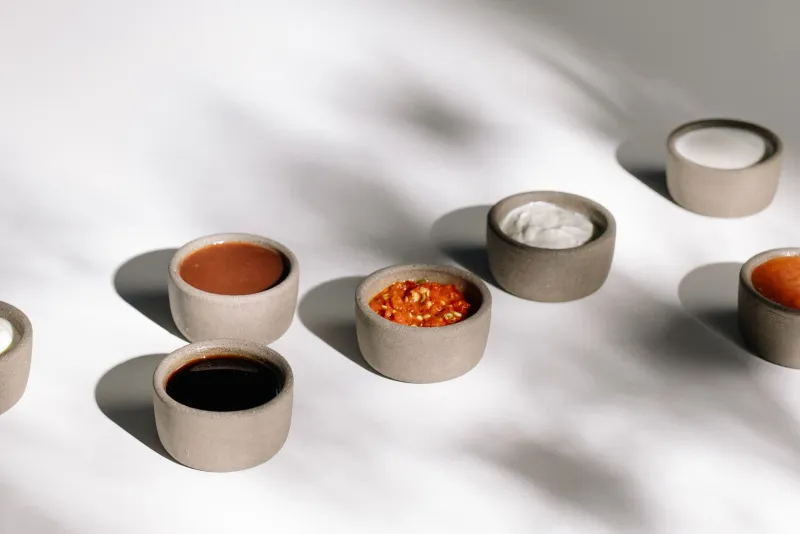
A simple Taiwan-style dip: sa cha sauce, soy sauce, black vinegar, minced garlic, chili oil, and chopped scallion. Mix it to taste, not by formula. The sauce is where you can fix a base that is too mild or too rich. Keep it on the table and let people adjust their own bowls.
Which base to buy first
Start with tomato or pickled cabbage if you are feeding a mixed table. Add spicy beef tallow if you want heat, sesame oil chicken for a cold night, and herbal mutton when you want something that tastes like a Taiwan winter rather than a generic soup packet. One good base, a pile of vegetables, and a working burner are enough to make a Tuesday feel like an occasion.