Counter Space vs. Foam: Thirty Winter Mornings With a $12 Taiwan Frother
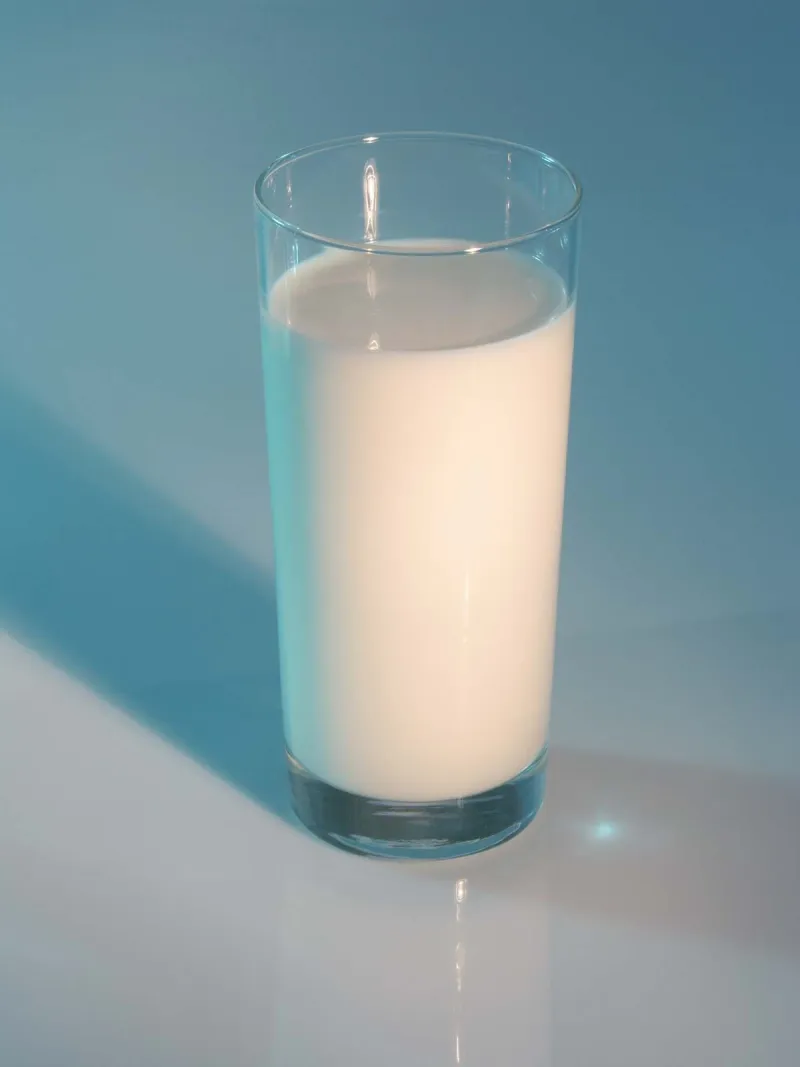
Photo: milk frother whisking foam in a ceramic mug on a kitchen counter, via cdn.britannica.com
My kitchen counter is 22 inches deep and shared with a coffee grinder, a knife block, and a bowl of lemons that has been there since October. Adding a single-purpose appliance is not a casual decision. So when a $12 handheld milk frother from a Taiwan seller showed up, I gave it 30 mornings to prove it deserved to stay, and I ran the $50 countertop machine I already owned on the same schedule as a control.
Ten mornings of cocoa, ten of matcha, ten of latte. Same milk, same mug, same 6:45 a.m. lighting.
How the Two Tools Work
The $12 handheld is a USB-C rechargeable wand about nine inches long with a small stainless whisk head. One speed, roughly 19,000 rpm, and a motor that whines rather than roars. It does not heat anything.
The $50 countertop machine is a small pitcher-and-base unit: pour milk to the line, press one button, and it heats to about 145°F while whisking. It holds eight ounces, has a nonstick interior, and occupies roughly 8 by 5 inches of counter when assembled.
That difference — heat or no heat — drives almost every result below.
Cocoa
Cocoa is the easiest test and the one where the cheap wand looks best. Warm milk in a saucepan or the microwave, dump in the powder, buzz the wand at the bottom of the mug for 15 seconds. The handheld broke up every clump and produced a light, airy top layer that's closer to bubbles than to foam.
The countertop machine made denser, finer foam and got the milk to temperature on its own, which is genuinely nice at 6:45 a.m. But it also left a ring of cocoa residue at the pitcher's fill line that needed a soak.
Verdict: handheld wins on effort, countertop wins on texture. For cocoa, texture barely matters. Handheld.
Matcha
This was the surprise. The countertop machine heats the milk, and hot milk poured over matcha tends to push the drink bitter unless you're careful with your water temperature and ratio. The handheld let me whisk cold or room-temp milk and then pour it over the matcha, which gave a smoother, greener cup on eight of ten tries.
It also whisked the matcha itself into a lump-free paste faster than a fork, which is a job the countertop machine cannot do at all because the pitcher is too deep and the whisk sits too low.
Verdict: handheld, clearly.
Latte Foam
Here the countertop machine earned its keep. The handheld produces what I'd call froth: visible bubbles, a loose structure, and a top layer that collapses in about 90 seconds. It looks fine in a photo and disappears by the third sip.
The countertop machine produced actual microfoam — dense, glossy, able to hold a line when you pour. It's the difference between a drink that looks like a latte and one that behaves like one.
You can improve the handheld's output by using whole milk, chilling the milk first, and keeping the whisk head just under the surface rather than at the bottom. That got me maybe 70 percent of the way there. Not all the way.
Verdict: countertop, and it isn't close.
Noise
I measured both with a phone app at arm's length. The handheld hit about 62 dB, roughly the volume of a normal conversation. The countertop machine hit 74 dB, which is loud enough that I stopped using it before my roommate woke up.
If your kitchen shares a wall with a bedroom, that's a real factor and it doesn't show up in any spec sheet.
Cleanup
The handheld takes about eight seconds: run the whisk under hot water, pulse it once in a cup of water, set it in the drying rack. No disassembly.
The countertop machine is not hard, but it's a process. Rinse the pitcher, wipe the nonstick interior so you don't scratch it, pull the whisk collar, hand wash that separately because the gasket traps milk, and dry everything so it doesn't smell like sour dairy by Thursday. Call it two minutes.
Over 30 mornings, that's an hour of my life. I noticed.
Battery and Footprint
The handheld needed three USB-C charges across 30 mornings at roughly 25 seconds per use. A charge takes about 90 minutes. Not a burden, but if you skip charging for a week and then host brunch, you'll be whisking by hand.
Footprint is the headline: the handheld lives in a drawer and takes up less space than a spatula. The countertop machine needs a permanent home or a cabinet shelf tall enough for the pitcher and base. In a small apartment, that's the whole argument in one sentence.
Holiday Guests
When six people want cocoa after dinner, the handheld is a bottleneck — one mug at a time, 20 seconds each, and the battery gets warm. The countertop machine is also one pitcher at a time, but each batch is eight ounces of properly heated milk, so you can pour two mugs and start the next batch without touching a saucepan.
If you host often between Thanksgiving and New Year's, the countertop machine earns its footprint for six weeks a year even if it sits idle the rest of the time.
The Verdict
For a small kitchen, a matcha habit, and a preference for quiet mornings, the $12 Taiwan handheld is the better buy. It froths well enough for cocoa, better than well enough for matcha, and it costs less than four café lattes. It also cleans up in seconds, which is the reason I actually kept using it after the novelty wore off.
For anyone chasing real latte foam, or anyone who wants milk heated without dirtying a saucepan, the $50 countertop machine still does something the wand can't.
My compromise, for what it's worth: the wand stayed in the drawer, and the countertop machine went into the cabinet for December. It comes out when guests arrive.